


The concrete jungle is getting a green makeover, and our bodies are thanking us for it. From Singapore’s vertical forests to Copenhagen’s bike-friendly boulevards, cities worldwide are discovering that integrating nature into urban design isn’t just aesthetically pleasing—it’s a prescription for better health.
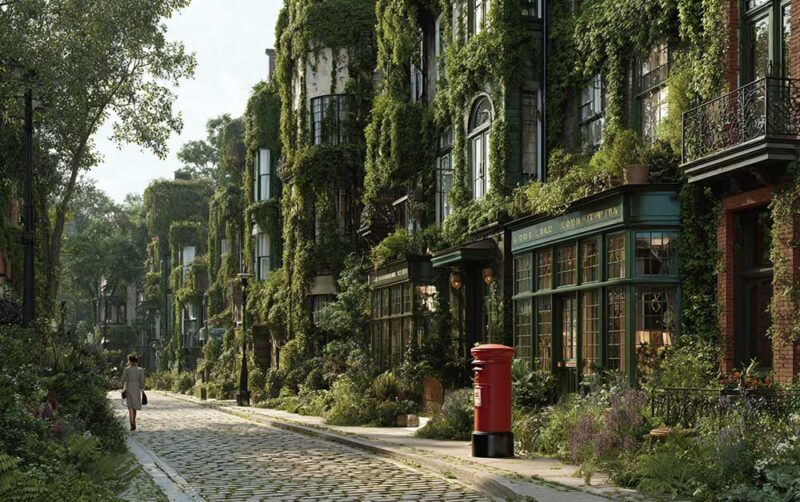
Research from the University of Barcelona reveals that residents living within 300 meters of green space show 12% lower rates of depression and anxiety. The phenomenon, termed „biophilic urbanism,” taps into our evolutionary connection to nature. When we see trees, hear birds, or feel grass beneath our feet, our cortisol levels drop, blood pressure stabilizes, and cognitive function improves.
Dr. Timothy Beatley, author of „Biophilic Cities,” explains: „Urban nature isn’t luxury—it’s infrastructure. Every park, green roof, and tree-lined street serves as a piece of public health equipment.”
Copenhagen’s transformation offers a masterclass in green urban planning. The city’s 350 kilometers of bike lanes weave through parks and waterways, encouraging physical activity while reducing air pollution. Residents report 23% higher life satisfaction compared to car-dependent cities.
Singapore’s „City in a Garden” vision has created over 300 parks and four nature reserves within city limits. The result? A 15% reduction in urban heat island effect and significantly improved air quality. The city’s innovative park connectors—green corridors linking neighborhoods—have increased daily walking by 40% among residents.
Tokyo’s „shinrin-yoku” (forest bathing) principles are being adapted for urban environments. Pocket parks with native plants and water features serve as stress-reduction zones. Studies show that just 20 minutes in these urban green spaces can lower stress hormones by up to 50%.
Portland’s Green Streets program demonstrates how infrastructure can double as therapy. Storm water management systems disguised as beautiful gardens provide meditation spaces while preventing flooding. Crime rates in these areas have dropped by 16%, suggesting that green design creates safer, more connected communities.
Emerging technologies are amplifying nature’s health benefits. Smart sensors in London’s parks adjust lighting and sound to optimize circadian rhythms. Vertical farms in Milan provide fresh produce while purifying air. These innovations suggest that tomorrow’s cities will be living organisms that actively promote wellness.
The evidence is clear: cities that prioritize nature don’t just survive—they thrive. As urban populations grow, the question isn’t whether we can afford to build green cities, but whether we can afford not to.