
1. Environmental engagement is becoming increasingly prominent in contemporary art. From your perspective, is this a genuine movement rooted in artists’ concern, or primarily a response to issues currently shaping culture and the art market?
We are undoubtedly witnessing the convergence of both forces. However, the generation I work with most frequently, namely students and recent graduates of art academies, presents a far more complex and nuanced picture than media narratives tend to suggest. If we look objectively at sociological data, including the latest Deloitte Global Gen Z and Millennial Survey, we can identify a significant shift in priorities.
Environmental issues and climate protection remain important to both generations. At the same time, particularly among the youngest respondents, they are increasingly competing with intense economic pressure, the rising cost of living, financial insecurity and challenges in the labour market. Nevertheless, among young artists studying at art academies, environmental concern remains deeply personal. It often manifests itself as an intuitive, existential anxiety about the condition of the world in which they will have to live.
At the global level, the art market and its institutions have quickly formalised and appropriated some of this authenticity. This can be seen in the emergence of prestigious awards dedicated specifically to environmental art, such as France’s COAL Prize Art and Environment, supported by the French Ministry of Culture, the Kunsthaus Graz Environmental Art Prize in Austria, and the Eric and Wendy Schmidt Environment and Art Prize established in partnership with the Museum of Contemporary Art in Los Angeles.
In conclusion, the institutionalisation of this phenomenon is undeniable. At its source, however, in the studios of young artists, lies a genuine and sometimes uncomfortable attempt to confront the realities of the contemporary world.
2. How do the artists you work with describe the relationship between humans and nature? Is it usually framed as a personal experience, a source of anxiety, an observation of the world, or a consciously constructed subject of artistic practice?
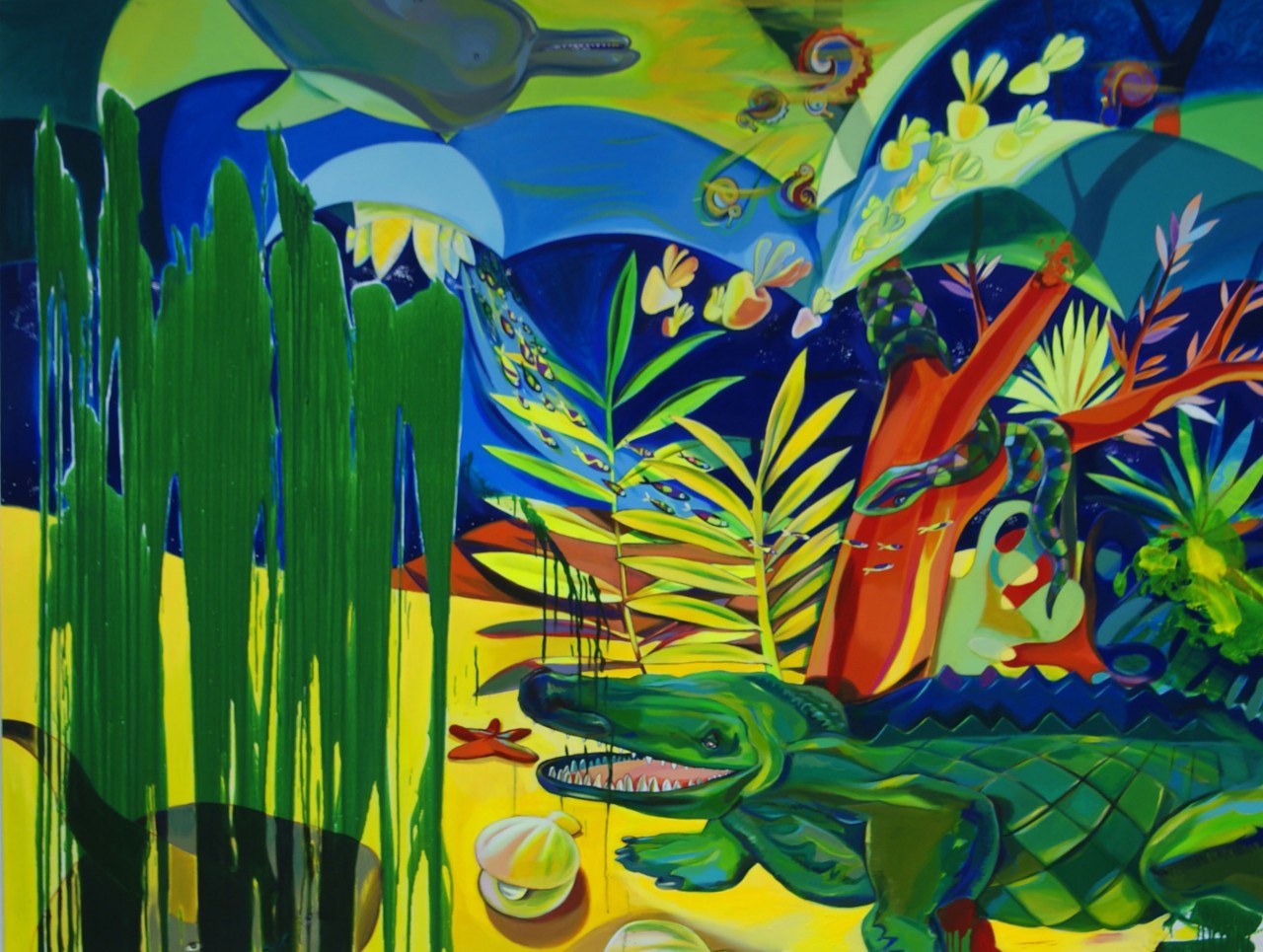
The language used by young artists has moved decisively away from the anthropocentric admiration of landscape associated with the nineteenth and early twentieth centuries, as well as from the Romantic idealisation of nature. Contemporary artistic language is urgent, organic and inclusive. Nature is no longer merely a backdrop for human activity. It has become an equal and suffering subject in its own right.
Artists frequently employ post-apocalyptic, biological or anatomical aesthetics. They speak of symbiosis, but also of violence inflicted upon ecosystems. Their work often reveals a fascination with microscopic structures: tissues, mosses, moulds and the texture of soil. This illustrates their search for an escape from the digital, overstimulating world and a return to physical matter.
The starting point is almost always a direct, intuitive anxiety arising from observations of everyday life: the disappearance of urban green spaces, increasingly abnormal weather patterns or the omnipresence of plastic.
Academic discipline and the educational process at an art academy, however, require young artists to transform these emotions into consciously developed artistic strategies. Preparing a degree project involves far more than intuition or talent. It requires months of demanding work: research, engagement with primary sources, the study of contemporary philosophers addressing ecological issues, and the precise selection of formal means of expression.
The result is art that may originate in a personal impulse, but ultimately develops into a mature intellectual and research-based project.
3. Can art genuinely influence the environmental awareness of its audiences, or does its impact end with emotion, reflection and symbolic gestures?
It would be naive to claim that a single painting or exhibition could immediately transform society’s consumer habits. Art exercises agency in a different way. Its influence resembles water gradually wearing away stone.
Art translates dry statistical data from scientific reports into the language of the senses and emotions. A viewer may ignore yet another graph showing rising temperatures, but may find it far more difficult to remain indifferent to a monumental, heavily textured canvas that gives physical form to destruction.
The influence of art begins with emotion, but it does not end there. An artist’s symbolic gesture can open up a mental space for a discussion the viewer had previously avoided. The gallery can become an agora, a place where people with different perspectives meet and begin to discuss the condition of the world.
This helps to build social capital and cultivate sensitivity. Over time, that sensitivity can translate into concrete decisions and changes in individual behaviour.
4. How does the art market currently respond to environmental themes? Can the ecological character of a work increase its visibility, attractiveness or value?
The art market responds pragmatically and on two distinct levels.
At the institutional and reputational level, environmental engagement has become a major advantage. Galleries and museums around the world are adopting environmental policies and certification systems, while curators increasingly seek work that aligns with sustainability programmes. This unquestionably increases the media visibility of environmentally oriented art and facilitates its inclusion in prestigious exhibitions.
At the level of commercial valuation and the purchasing decisions of private collectors, however, an environmental theme alone is not enough. An experienced collector will immediately recognise whether the subject has been selected opportunistically to appeal to current expectations, or whether it results from a genuine internal artistic imperative.
An environmental context can provide a powerful additional narrative that enriches the work, but it can never compensate for a lack of talent, authenticity or technical quality.
5. Do you see a risk that environmental themes are becoming a trend in art, something that sounds convincing in curatorial, media and commercial terms?
Yes. The risk is substantial and entirely real. The phenomenon is already described in critical discourse through terms such as artwashing and curatorial greenwashing.
Whenever a subject becomes fashionable and begins to secure targeted funding, media attention or access to the institutional mainstream, the temptation to exploit it opportunistically inevitably appears.
Environmental art is sometimes reduced to the role of an attractive promotional banner for corporate institutions seeking to improve their public image. We see major exhibitions devoted to endangered nature being sponsored by organisations whose everyday operations are far removed from environmental standards.
This is a dangerous tendency because it trivialises the genuine climate crisis, turning it into an aesthetic curiosity designed to sound convincing in professional circles and look impressive in corporate social responsibility reports.

6. Where, in your opinion, is the boundary between an artist’s authentic message and the packaging of their work within an attractive market narrative?
That boundary can be found in the material substance of the work and in the artist’s broader practice and biography.
Authenticity is ultimately defended by artistic integrity. If an artist has consistently developed their visual language over many years, experimented meaningfully with materials, used natural dyes and pigments, avoided toxic binders or worked with found objects, and if their commitment can also be seen beyond the canvas, then we are dealing with an authentic message.
A market narrative becomes artificial packaging when it has been attached to the work by force. This happens when purely decorative and aesthetically superficial painting is suddenly accompanied by an elaborate pseudo-philosophical description written by a curator or art dealer about “saving the planet”, despite the fact that the work itself has no structural relationship with such ideas.
Genuine art does not require an excess of curatorial prosthetics. It is capable of speaking for itself.
7. Who actually decides today which artists and works enter the art world: galleries, curators, critics, collectors, the media, or perhaps algorithms and online visibility?
The contemporary art world is a complex, multi-layered network in which the traditional hierarchy has undergone both profound democratisation and fragmentation.
In the past, the chain of validation was relatively clear: a professor at an art academy identified a promising talent, a critic wrote a review, a curator organised an exhibition at a public institution, and a collector purchased the work.
Today, with the dominance of the digital generation, these boundaries have become blurred. Social media algorithms, particularly on Instagram, can propel a young artist into international circulation while bypassing traditional institutions and critics. Unfortunately, this can also happen irrespective of talent or genuine artistic value.
Online visibility creates direct reach and attracts a younger generation of collectors, but this digital currency is often unstable. For an artist to remain in circulation and develop lasting art-historical significance, validation by professional private galleries, curators and museum institutions remains essential.
An algorithm may provide a rapid launch, but galleries and curators still build the foundations of a sustainable long-term career.
8. Are young artists addressing environmental issues genuinely being heard, or is their sensitivity sometimes used as part of a broader institutional, gallery or market narrative?
Unfortunately, there are situations in which young artists’ raw sensitivity becomes fuel for the institutional machine.
Artists at the beginning of their careers are particularly vulnerable to exploitation. Institutions often need a “fresh and socially engaged voice” to meet grant criteria or align themselves with a current curatorial discourse, without necessarily offering genuine partnership, adequate support or fair remuneration in return.
Within structures such as our gallery, however, we place strong emphasis on ensuring that artists are heard on their own terms. The role of a responsible gallerist and mentor is to create a safe environment in which the artist’s voice is neither manipulated nor reduced to the status of a marketable curiosity.
Young artists are truly heard when they are allowed to speak in their own language, even when that language is difficult, uncomfortable or commercially unappealing.
9. Does a gallery have an educational responsibility towards its audience, for example by helping viewers understand the context of the work, or is its primary role to promote and sell art?
Running a contemporary art gallery involves a profoundly dual mission.
We are, of course, a market-based organisation. Without commercial success, promotion and sales, we would be unable to maintain the gallery space or support the development of our artists. Finance is the gallery’s bloodstream.
At the heart of this activity, however, lies an unconditional educational and social responsibility. This is particularly important when promoting artists from the youngest generation, who often use new and unfamiliar visual codes. A gallery must act as both translator and guide.
Our responsibility is to build bridges between the hermetic world of the academy and the audience member who enters the gallery directly from the street.
Organising meetings with artists, preparing reliable curatorial texts and explaining the context in which a work was created are not expensive indulgences. They are fundamental responsibilities. Only an informed and educated viewer can eventually become a mature collector.
10. How can we distinguish art that genuinely activates reflection on the world from art that merely decorates the viewer’s environmental conscience?
This is a fundamental question concerning the criterion of truth in art.
“Decorative” art that merely conceals the guilt of the contemporary consumer is safe, aesthetically pleasing and superficial. It often relies on literal and exhausted metaphors: a wilted flower, a plastic bottle placed within an attractive landscape, or a green leaf against a grey background.
Such art does not hurt. It allows the viewer to feel environmentally sensitive without ever leaving their comfort zone.
Art that provokes genuine reflection is often uncomfortable, abrasive and ambiguous. It provides no simple answers and offers no easy consolation. It frequently operates at a subconscious level, generating unease, fascination combined with physical repulsion, or profound emotional response.
It forces viewers to question their own responsibility and complicity in the processes that are destroying the world. If a work remains in the viewer’s memory for weeks and disrupts their inner equilibrium, it has probably reached the heart of the issue.
11. Can art concerning nature and the environment move beyond the gallery and enter the city, public space, education and local communities?
It not only can. It must.
Restricting environmental discourse to the white walls of an exclusive gallery, the so-called white cube, dramatically reduces its reach and confines its audience to an already established intellectual elite.
Genuine changes in collective awareness occur in public space. In Poland, one example is the Land Art Festival held in the Bug River region. Through open calls and site-specific activities, it brings together artists who redefine our relationship with nature directly within the landscape.
At the institutional level, the Łaźnia Centre for Contemporary Art in Gdańsk has also undertaken valuable and pioneering work by connecting art and science in projects addressing environmental change, ecological degradation and the relationship between humans, technology and nature.
We can also observe certain developments within the private sector. Corporate foundations involved in arts patronage are increasingly incorporating environmental criteria and awareness of the Anthropocene into their grant schemes and competitions.
12. What conclusions can be drawn from observing the contemporary artistic community? Can art become a genuine instrument of change, or is it primarily a mirror reflecting our anxiety about the future?
Art is unquestionably both.
In the light of contemporary social research, however, its role as a mirror is acquiring a new and uncompromising dimension. If financial security, salary and the cost of living are becoming dominant concerns for young people entering the labour market, often outweighing the environmental profile of an employer, then art becomes a mirror that exposes our everyday opportunism.
It reflects not only our fear of climate catastrophe, but also our internal human conformism: the moment when economic comfort defeats long-term values.
This uncompromising exposure of the truth provides the starting point for art’s second function: its capacity to become a genuine instrument of change.
Art does not transform the world at a systemic level. It does not operate through legislation or decrees. It changes the world by fundamentally transforming individual sensitivity.
By revealing the gap between a young person’s declarations and their everyday convenience, art compels them to engage in an internal debate. By changing the way one individual perceives another living being, a river or their own life choices, art initiates a process that can spread throughout society in successive waves.
Its greatest and most authentic power lies precisely in this micro-scale.


An interview with Elżbieta Kraszewska on the moment when art becomes more than an aesthetic gesture. A conversation about young artists, environmental awareness, the boundaries of authenticity, and the kind of green decoration that too easily soothes the viewer’s conscience.
Ela Kraszewska is an artist, designer and curator who has successfully combined many years of experience in the world of design with a passion for art. She is the founder of Wiele Sztuki Gallery, one of Poland’s dynamically developing contemporary art galleries.
As its founder and owner, she has consistently built the gallery’s brand since 2011, establishing its presence in both the Polish and international art markets. Its recognition is based on a distinctive operating model and a deep understanding of the needs of both artists and collectors.
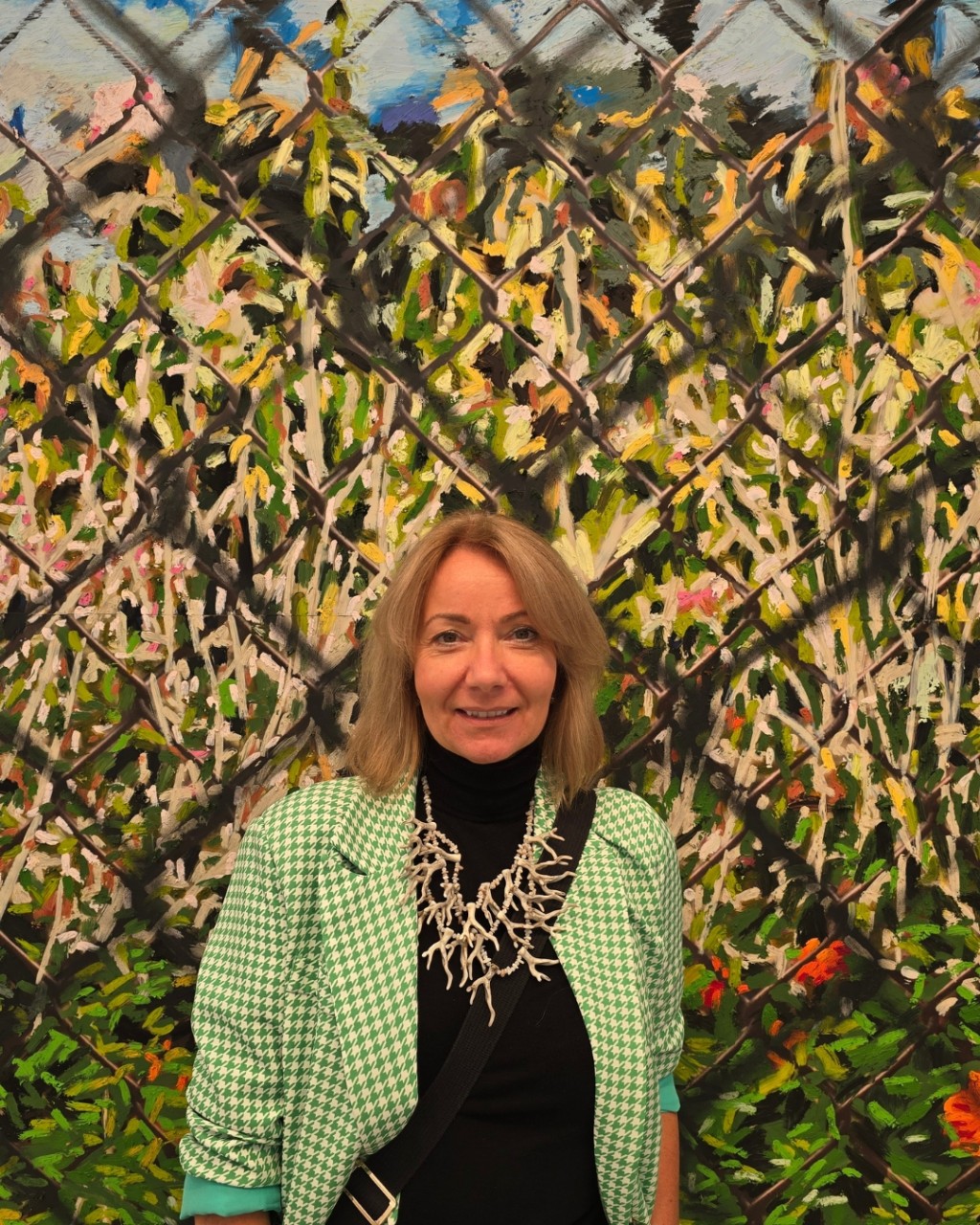
Elżbieta Kraszewska
Founded in 2011, Wiele Sztuki Gallery was established with a mission to support and promote the most talented students and graduates of art academies. Through its effective promotion of emerging art, the gallery gradually and naturally expanded its activities, attracting established artists with recognised professional reputations.
Today, it represents a broad spectrum of artists, ranging from emerging talents to professors and university lecturers from Poland and abroad. The gallery operates according to a hybrid model, combining online sales with activities at its physical locations in Poznań and Warsaw, while also managing exhibition spaces across Poland.
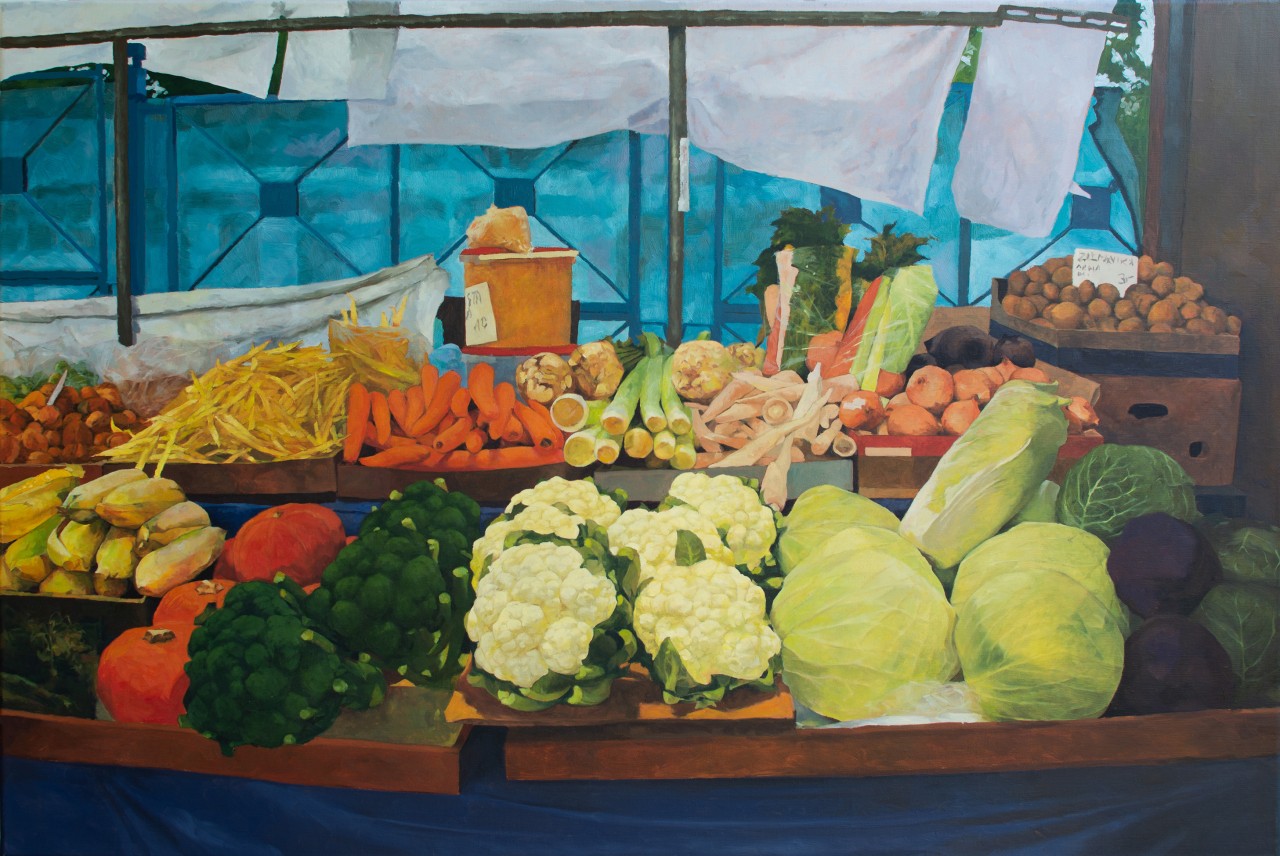
Małgorzata Jakieła
Michalina Czurakowska